
A Chat About Tua Pae Yi Pae — When You Cannot Ask Blessings from the Powers Above, Come Ask Us (EP.3)
Unpacking the saying "When you cannot ask blessings from the powers above, come ask us" through the law of kamma and idappaccayatā, the dharma teaching of Somdet Phra Phutthachan (To), and the way to venerate Tua Pae Yi Pae — the Sappharachen Foundation edition
A Note in Passing — A Chat About Tua Pae Yi Pae: "When You Cannot Ask Blessings from the Powers Above, Come Ask Us" (EP.3)
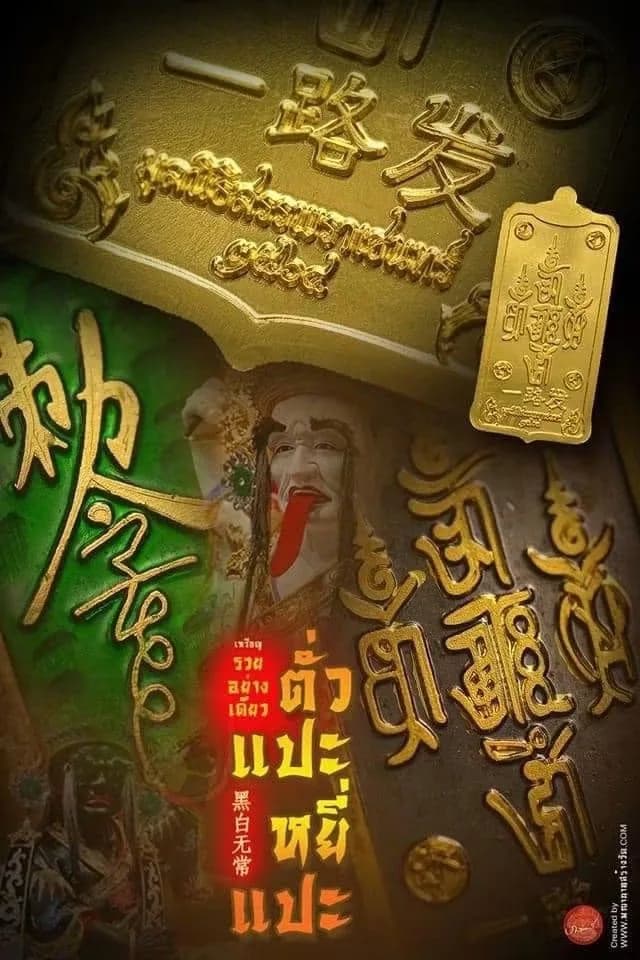
What Does "When You Cannot Ask Blessings from the Powers Above, Come Ask Us" Mean
From the chat about Tua Pae Yi Pae that I shared the other day, many of you now likely have a rough sense of the history of the White and Black Emissaries of Yama, and of the various auspicious meanings that Luang Pho Itthi designed into the medal. Yet many of you still wonder what the saying "When you cannot ask blessings from the powers above, come ask us" actually means.
According to the beliefs held along the Buddhist path — especially across East Asia and South Asia — there is often a way of believing that binds three strands together inseparably: the Buddhist path, the deities, and the spirits. The belief holds that whenever one is about to undertake something, or when one suffers in body and mind and seeks reassurance and encouragement, one tends to ask for blessings and grace from the sacred objects of one's reverence and faith, praying for their help.
Some ask blessings from Buddha images, some from monks, some from deities, and some from spirits. Many may ask back, "Can you really ask blessings from spirits?" And this is precisely why there is the saying "When you cannot ask blessings from the powers above, come ask us." The reason is that some people who pray for grace from the Buddha or from the great deities and celestial beings above may not always succeed in obtaining what they ask, or if they do, it comes slowly. This is because the Buddha taught us to believe in kamma, in our own deeds: whatever will arise and be present in this life is born of the past kamma that each person has accumulated.
The Merit We Have Never Made
As the dharma teaching of Somdet Phra Phutthachan (To) Phrommarangsi, who kindly pointed out the dharma in a vision, goes:
The merit we have never made — who anywhere will come to help you?
My child, before you go to ask for the grace of any venerable one, you must first have capital of your own — that is, you must invest your own merit first. Only when your own merit is not enough should you then borrow another's merit to help. Otherwise you will not save yourself, for the debt in merit and grace that you go about borrowing until it exceeds you means that when you make merit and gain grace, you must spend it paying off that debt in full, leaving nothing on you. Then what will you have for the life to come? Diligently build up merit, and heaven and earth will help of their own accord. Remember this: when the time has not yet come, no deity can think to help you; but when the time comes, all of heaven and earth cannot stand against you. So do not go rushing the gods of heaven and earth. When we have never made merit at all, who anywhere will come to help you?
Idappaccayatā — The Law of Kamma
Another factor believed to explain why asking blessings or grace from the Buddha or the great deities does not succeed as one wishes is that the one asking for grace may be asking for something beyond the grace and kamma he has ever built up. According to the principle of idappaccayatā, or paccayākāra (the law of kamma — the law of the relationship between cause and effect of an action). Or else the one asking often asks for something arising from his own wrong view (mijjhādiṭṭhi — immoral), not from right view (sammādiṭṭhi); it is therefore believed that the Buddha or the great deities, who hold right view, would not be pleased to grant success as asked.
This is why many people in gray-area occupations, or gamblers and those who chase their luck — who are regarded as still holding wrong view in their hearts, and who are often disappointed by asking blessings from the Buddha or the great deities above — turn instead to asking blessings by making vows to the emissaries of Yama or to the spirits, because they believe the blessings they ask will come to pass swiftly, since the spirits too still hold wrong view and are subject to craving, greed, anger, and delusion just the same. So too with venerating and asking blessings from Tua Pae Yi Pae, which Chinese, Singaporean, and Malaysian gamblers and luck-chasers commonly favor for their vows and prayers. But let me warn you first: because Tua Pae Yi Pae are emissaries of Yama who hold to honesty and keep their word, once what you ask has been fulfilled as you wished, you too must keep your word in redeeming the vow. And because Tua Pae Yi Pae are the emissaries of Yama who command the spirits, a knowledgeable person once whispered the secret of making a vow succeed: you must make the vow by making merit for corpses with no relatives, or by making merit to relieve and help people in distress — it is believed that every matter asked will then be fulfilled in every case.
The Tua Pae Yi Pae Medal — Sappharachen Foundation Edition
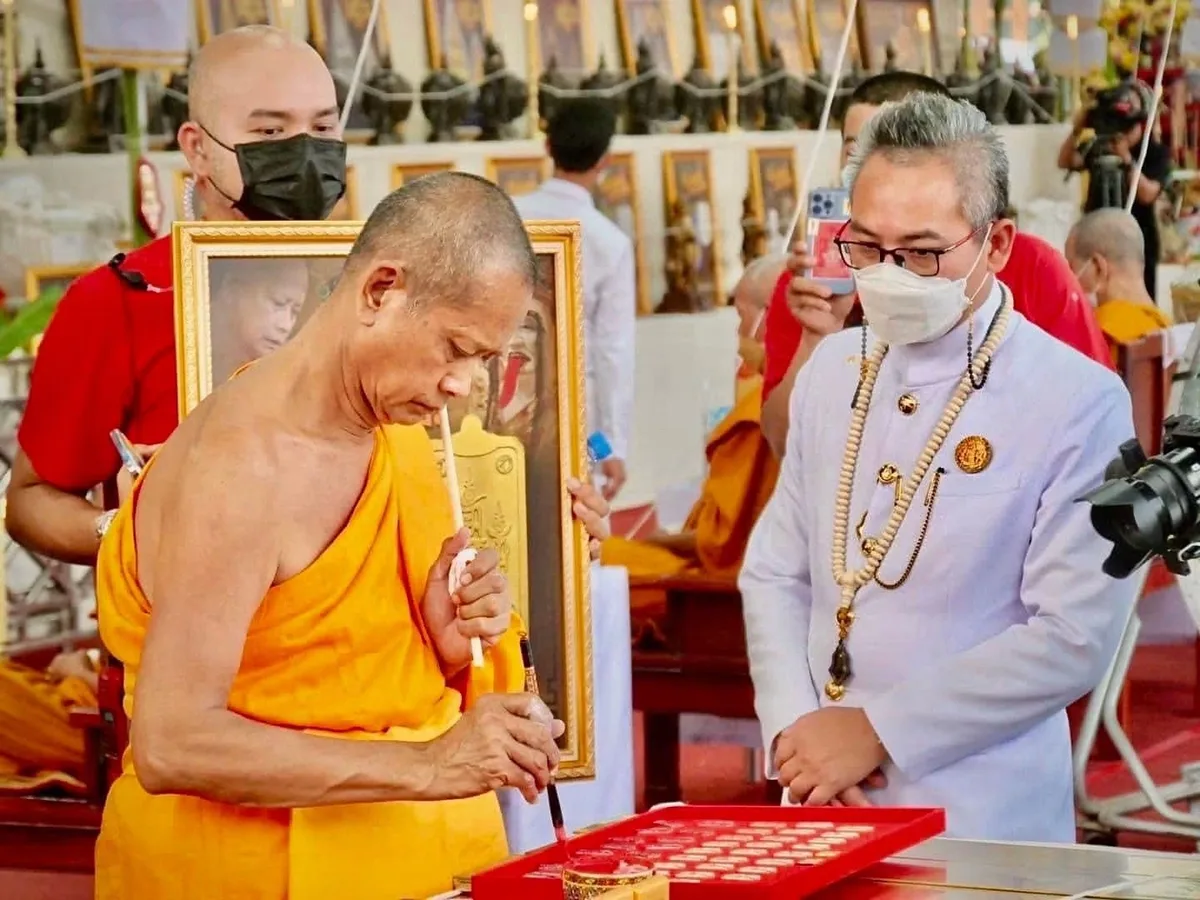
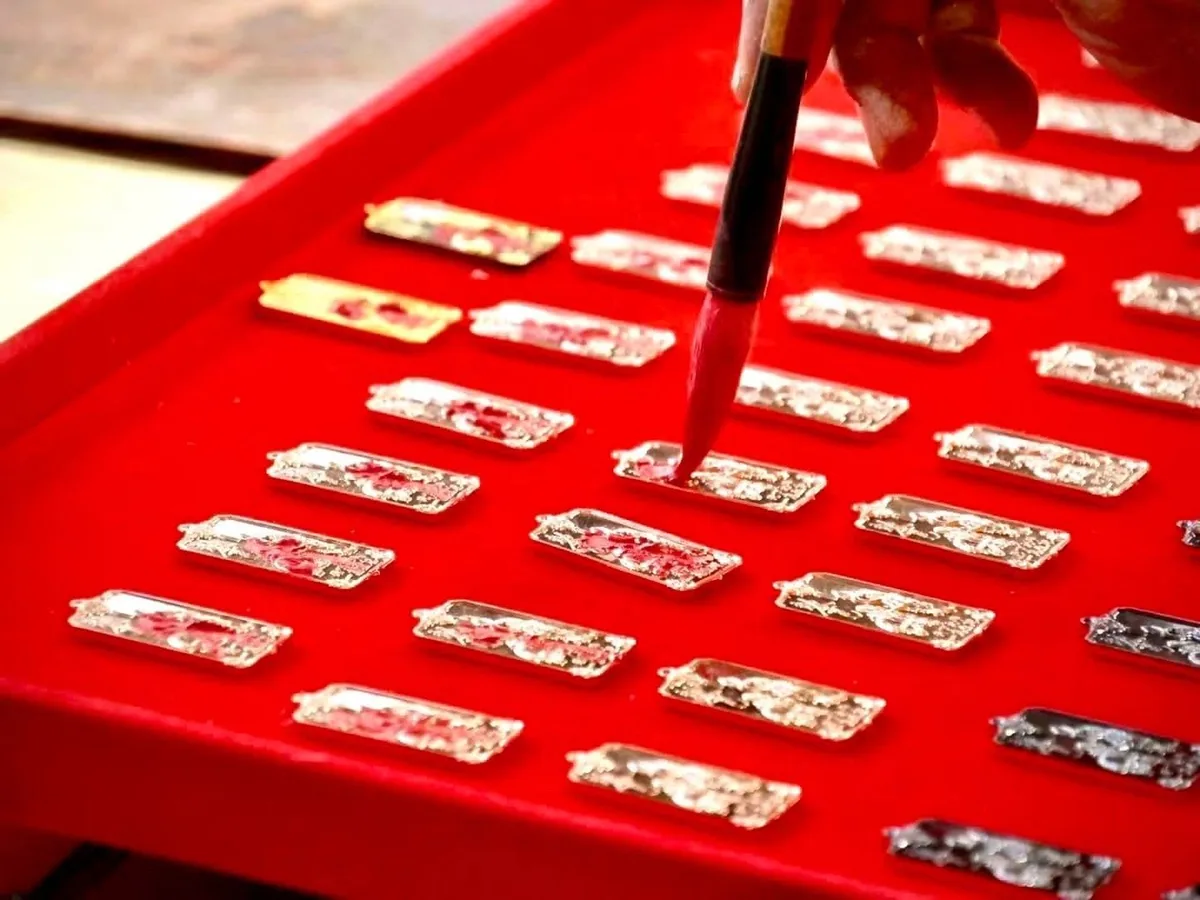
It is a fine occasion indeed that the Sappharachen Foundation has created this Tua Pae Yi Pae medal so that we may have the chance to share in merit together. Moreover, the purpose is clear and true to the secret of venerating Tua Pae Yi Pae — namely, to use the proceeds to buy life-saving equipment to help disaster victims. And I would like to whisper one more thing: this edition may well be said to be the first stamped Tua Pae Yi Pae medal in Thailand, and Luang Pho Itthi of Wat Chulamanee kindly designed it and gave permission for it to take part in the consecration rites within the ritual precinct of Wat Chulamanee for as many as five rounds.

I sincerely hope that the information I have chatted about will be, to some degree, a bit of miscellaneous knowledge for those who take an interest in following along. Farewell.
Compiled by
Khun Chang Bang Chak (Komsan Pisalsongkram)