
Knowledge
Chants, Lives & Legends, and Dhamma Books
Chants with translations, the lives and legends of arahants and deities, and dhamma books to read and study.
Chants
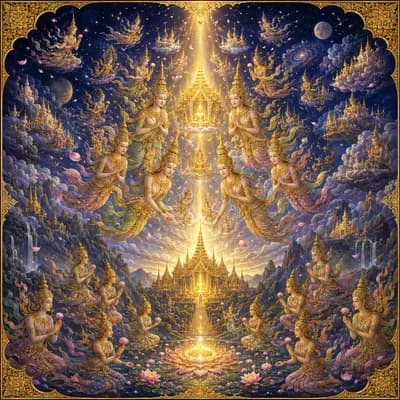 Inviting the Devas (Sagge)The verses for Inviting the Devas (Sagge), the opening piece of the paritta-chanting rite, with the Pali text plus translation and explanation — a summons calling the devas of every realm to come and hear the Dhamma, rejoice in the merit, and protect all within the ritual space, before the principal chants begin.
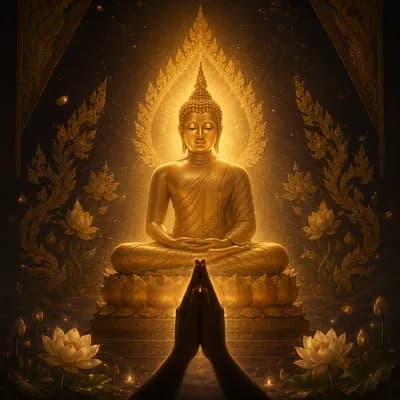 Pubbabhāga-namakāra (Preliminary Homage)The Pubbabhāga-namakāra (the Namo Tassa and the Three Refuges) — the preliminary homage that opens every Buddhist rite, with the Pali text plus translation and explanation. It pays homage to the Fully Self-Awakened One three times and takes the Triple Gem as refuge three times, to set the heart straight and pure before entering the paritta itself.
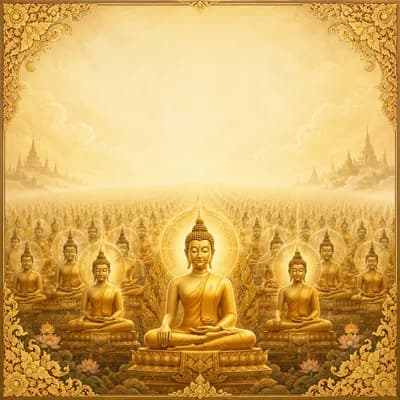 SambuddheThe Sambuddhe chant, paying homage to millions of the Buddhas of the past, with the Pali recitation text plus translation and verse-by-verse explanation — gathering the whole power of the Buddhas' virtues to protect the reciter before chanting the paritta.
 Namakāra-aṭṭhaka-gāthā (The Eight Verses of Homage)The Namakāra-aṭṭhaka-gāthā (the Eight Verses of Homage) with the Pali recitation text plus translation and explanation — paying homage to the Triple Gem separately and together, then invoking the majesty of homage to dispel misfortune, ask for well-being, and ask for majesty in one's undertaking.
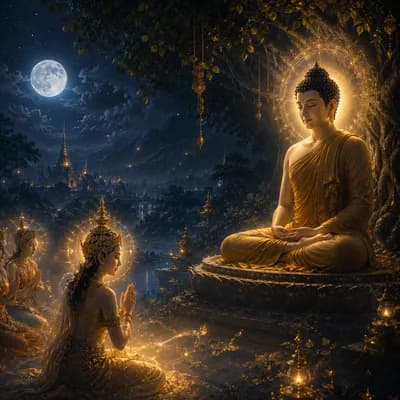 Maṅgala Sutta (The 38 Blessings)The Maṅgala Sutta (the 38 Blessings) with the Pali recitation text plus translation and verse-by-verse explanation — the discourse in which the Buddha, answering a deva, taught the highest blessings.
 Ratana Sutta (Abridged)The abridged Ratana Sutta — 6 core verses — with the Pali recitation text plus translation and verse-by-verse explanation, praising the supreme Triple Gem (Buddha, Dhamma, Sangha). Every verse closes with the truth-asseveration "Etena saccena suvatthi hotu" (By this truth, may there be well-being) to ward off harm and invoke safety.
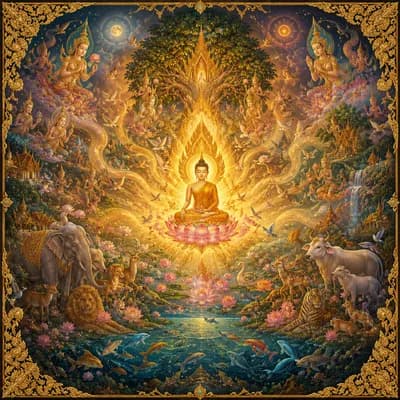 Karaṇīya Metta Sutta (The Discourse on Loving-Kindness)The Karaṇīya Metta Sutta (the discourse on the loving-kindness to be practiced) with the Pali recitation text plus translation and part-by-part explanation — the qualities of one who practices mettā, the radiating of loving-kindness to all beings, the simile of a mother's love, and mettā as a brahmavihāra and the path to liberation.
 The Khandha ParittaThe Khandha Paritta (the protective discourse on radiating loving-kindness to reptiles) in Pali with translation and explanation — radiating mettā to the four nāga families and all creatures, then praising the boundless virtue of the Triple Gem to ward off snakes and venomous creatures.
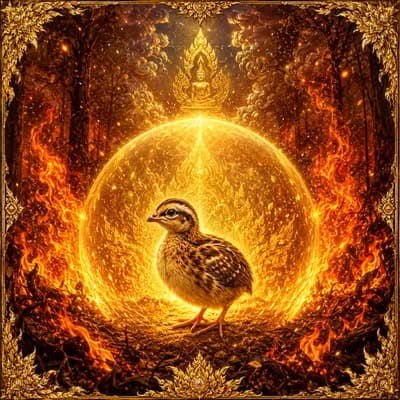 The Vaṭṭaka ParittaThe Vaṭṭaka Paritta (the paritta of the Bodhisatta when he was a baby quail) with the Pali recitation text plus translation and explanation — a baby quail's act of truth amid a forest fire, invoking the virtues present in the world and its own condition until the fire retreats. Commonly chanted for protection from fire.
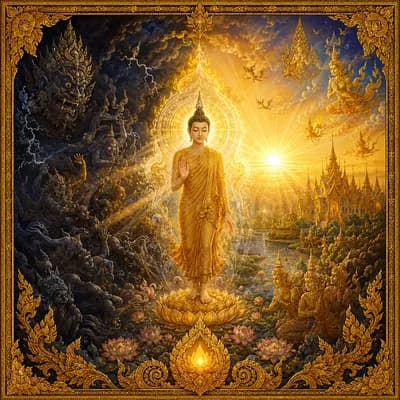 Abhaya Paritta (The Verse of Fearlessness)The Abhaya Paritta (the protective verse that dispels danger and bad omens) with the Pali recitation text plus translation and explanation — dispelling bad omens, ill fortune, inauspicious bird-cries, evil planets, and bad dreams by the power of the Buddha, the Dhamma, and the Sangha, recited three times.
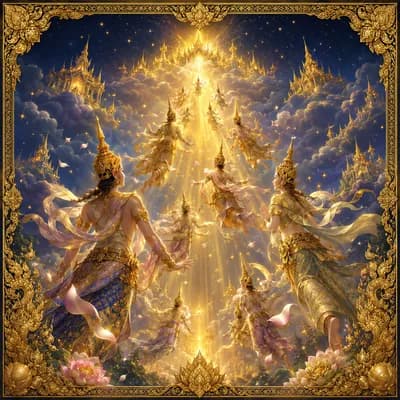 The Devatā-uyyojana GāthāThe Devatā-uyyojana Gāthā (verses for sending the devas back + verses of protection) in Pali with translation and explanation — the "closing of the Dhamma assembly," which radiates loving-kindness, dedicates merit and sends the devas back, then binds a protective ward with the majesty of the Buddhas, the Paccekabuddhas, and the Arahants.
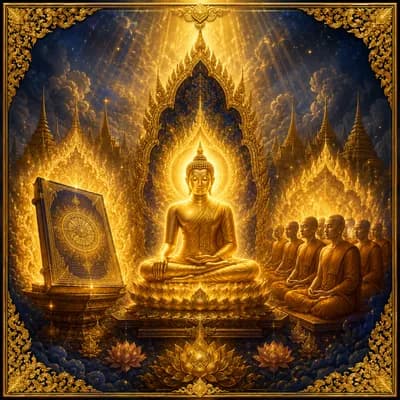 The Virtues of the Buddha, the Dhamma, and the Sangha (Itipiso)The chant of the virtues of the Buddha, the Dhamma, and the Sangha — the "Itipiso" — in Pali with translation and explanation, summarizing the 24 virtues of the Triple Gem (9 of the Buddha + 6 of the Dhamma + 9 of the Sangha) as a review of the heart of faith before entering the Buddha-Jaya-Maṅgala verses.
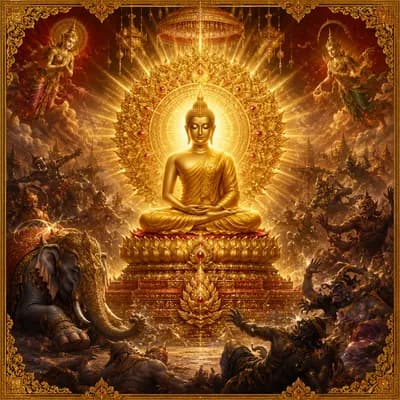 The Buddha-Jaya-Maṅgala Gāthā (Pāhung)The Buddha-Jaya-Maṅgala Gāthā, or "Pāhung," with the Pali recitation text plus translation and verse-by-verse explanation — praising the Buddha's eight victories over Māra, non-humans, animals, and wrong view, each verse closing with "By that power, may victory-blessings be yours."
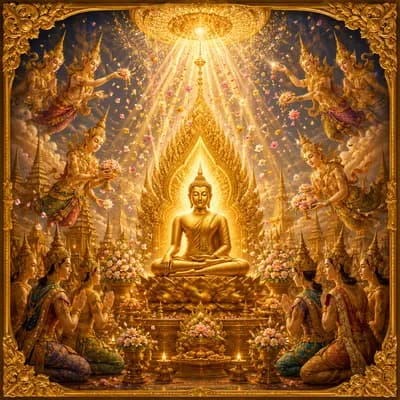 Jaya Paritta (The Paritta of Victory)The Jaya Paritta (the closing paritta of victory), with the Pali recitation text plus translation and explanation part by part — the truth-asseveration of great compassion, the Jayanto blessing of victory at the Bodhi tree, the Sunakkhattaṃ verse (every time is auspicious), and the Bhavatu Sabbamaṅgalaṃ benediction recited three times, the closing chant of every Thai auspicious ceremony.
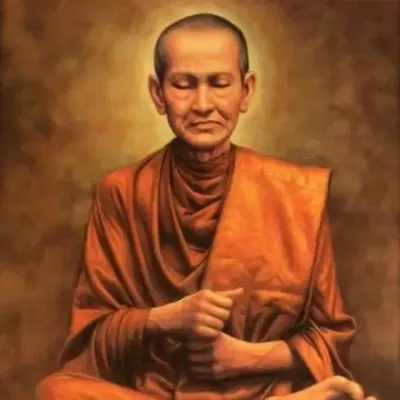 The Chinnabanchon (Jinapañjara Gāthā)The Chinnabanchon (Jinapañjara Gāthā) chant with the Pali recitation text plus a verse-by-verse translation and doctrinal commentary — compiled by Somdet Phra Phutthachan (To Phrommarangsi) of Wat Rakhang Khositaram.
Lives & Legends
Dhamma books
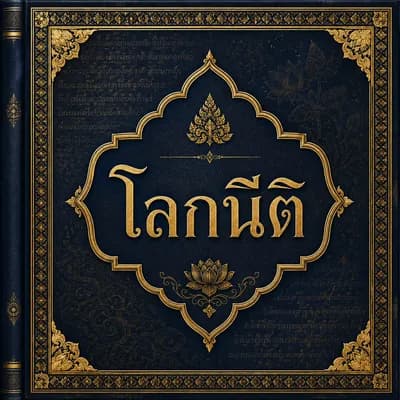 Loka Nīti — Worldly Wisdomคัมภีร์โลกนีติ (นีติธรรมนำชาวโลก) ฉบับบาลีพร้อมคำแปลและขยายความทีละคาถา — ๑๖๘ คาถา ๙ หมวด เรียบเรียงโดยพระมหาสมปอง มุทิโต
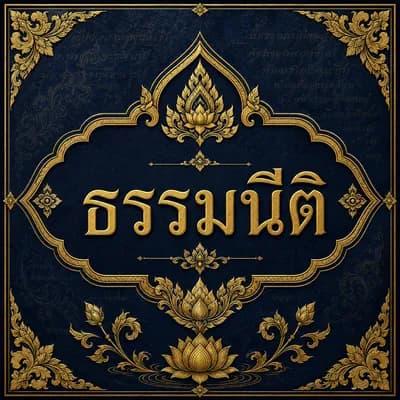 Dhamma Nīti — Wisdom by the Dhammaคัมภีร์ธรรมนีติ คัมภีร์นีติบาลีสายพม่า ฉบับพร้อมคำแปลและขยายความทีละคาถา — ๔๑๔ คาถา ๒๔ หมวด อิงฉบับชำระวิชาการและคำแปลของ Ānandajoti Bhikkhu
 Dhammapada — The Path of the DhammaThe Dhammapada — the Buddha's own verses from the Pāli Canon, with Thai-script Pali, translation, and a commentary for each verse: 423 verses in 26 chapters.